
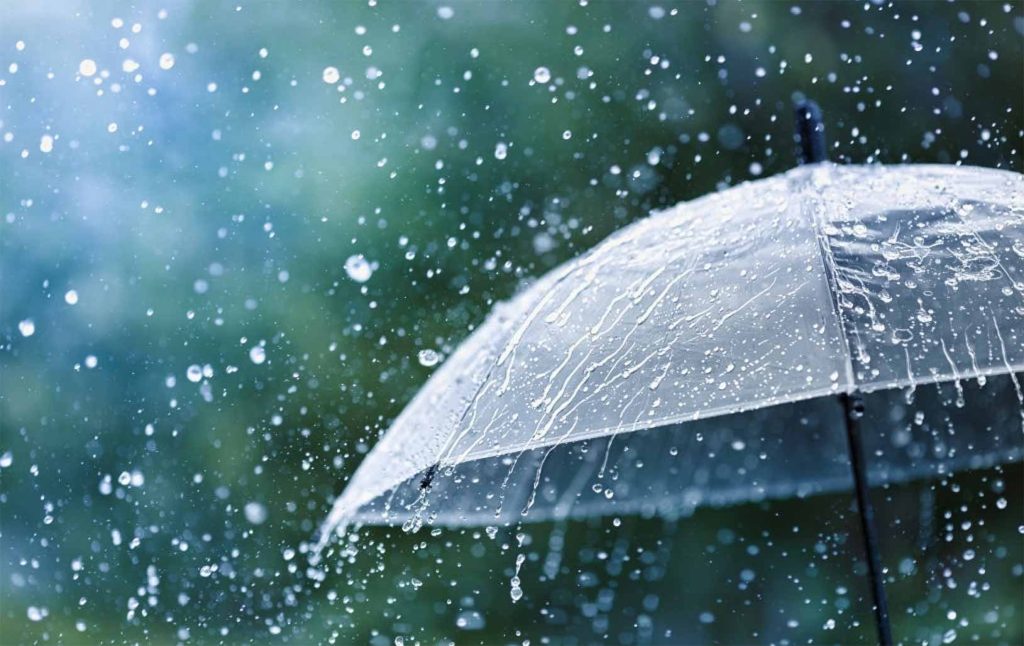
The rainy season in Nigeria, which typically spans from April to October, brings much-needed relief from the scorching heat and replenishes water sources vital for agriculture and daily life. However, it also presents numerous challenges, including flooding, an increased prevalence of waterborne diseases, and disruptions to daily activities. For vulnerable communities, these challenges can be particularly severe. As a charity committed to improving lives, we aim to provide practical tips and support to help navigate this season safely and healthily.
Understanding the Challenges
Flooding and Infrastructure Damage
Heavy rainfall can lead to significant flooding, especially in low-lying areas and regions with inadequate drainage systems. Flooding can damage homes, roads, and bridges, making transportation difficult and sometimes dangerous.
Health Risks
The rainy season increases the risk of waterborne diseases such as cholera, typhoid fever, and malaria. Stagnant water provides breeding grounds for mosquitoes, leading to a surge in malaria cases.
Agricultural Impact
While rain is essential for crops, excessive rainfall can harm agriculture by waterlogging fields and washing away seeds and soil nutrients. This can affect food security and livelihoods, particularly for small-scale farmers.
Tips for Staying Safe and Healthy
1. Flood Preparedness and Safety
Being prepared for floods can save lives and property. Here are some essential steps:
- Elevate Important Items: Keep valuable items and important documents in waterproof containers and store them on higher ground or shelves.
- Plan Your Movement: Unless necessary, avoid major movements on days that it has rained heavily, especially in regions with poor drainage.
2. Water Safety and Hygiene
Ensuring access to clean water and maintaining good hygiene practices are critical during the rainy season:
- Boil Water: Boil drinking water for at least one minute to kill harmful pathogens.
- Use Water Purification Tablets: If boiling isn’t possible, use water purification tablets or filters.
- Practice Good Hygiene: Wash your hands with soap and clean water, especially before eating and after using the toilet. Use alcohol-based hand sanitizers if clean water is unavailable.
- Avoid Stagnant Water: Do not swim or bathe in standing water, as it can be contaminated with sewage and other harmful substances.
3. Preventing Malaria
Reducing exposure to mosquitoes is key to preventing malaria. Here are some preventive measures:
- Use Insecticide-Treated Nets: Sleep under insecticide-treated mosquito nets to prevent mosquito bites at night.
- Apply Insect Repellent: Use insect repellents on exposed skin and clothing.
- Eliminate Breeding Sites: Regularly empty and clean water containers, cover water storage, and clear drains to prevent mosquitoes from breeding.
- Wear Protective Clothing: Wear long-sleeved shirts and long pants, especially during peak mosquito activity times (dusk and dawn).
4. Staying Informed
Staying informed about weather forecasts and public health updates can help you prepare and respond effectively:
- Monitor Weather Reports: Keep track of local weather forecasts and warnings through radio, television, or mobile apps.
- Follow Public Health Advisories: Pay attention to health advisories from local health authorities and international organizations, particularly regarding outbreaks of waterborne diseases.
Our Commitment
As a charity, we are dedicated to providing the resources and support needed to help communities navigate the rainy season safely and healthily. Our initiatives include:
- Conducting Health Workshops: Educating communities about waterborne disease prevention and mosquito control.
Conclusion
The rainy season in Nigeria presents significant challenges, but with the right preparation and community support, we can mitigate its impact and ensure the safety and health of vulnerable populations. By following these tips and staying informed, we can navigate the rainy season more effectively. Together, we can build resilient communities capable of withstanding the seasonal rains and emerging stronger and healthier.
For more information or to get involved, please visit our website or contact our community outreach team. Let’s work together to make this rainy season a safer and healthier time for all.
Ogorchukwu


