

Global nutrition is spiraling into a crisis. With ongoing conflict across various parts of the world, a concurrent cost-of-living crisis as well as several economies crashing and increasing food scarcity due to global warming and other factors, millions of people are struggling to eat proper food on a daily basis. All these factors have led to a scarcity of food especially in poverty-stricken and war-torn regions. According to unicef.org, the global food crisis is pushing one child into severe malnutrition every minute in 15 crisis-hit countries. The situation is dire, and the lives of millions of children are at risk. But what are the causes of this nutrition crisis, and what can be done to resolve a critical dilemma?
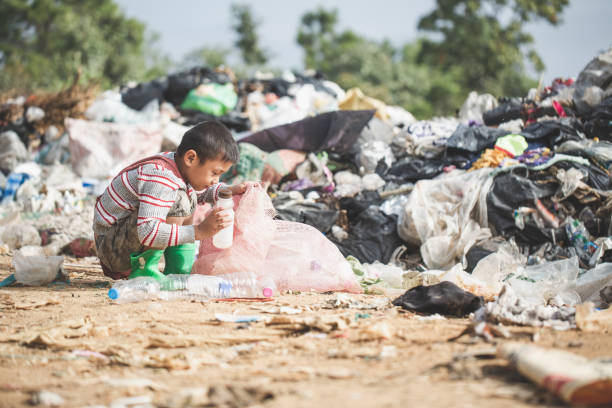
CAUSE 1: POVERTY
One of the underlying causes of the global nutrition crisis is poverty, and poverty is far from being eradicated across the world. During the last two decades, the number of people affected by extreme poverty in sub-Saharan Africa has nearly doubled, from 164 million in 1982 to some 313 million as of 2002. Poverty alone is not responsible for the ongoing global crisis, but it seriously affects the availability of adequate amounts of nutritious food for the most vulnerable populations. Over 90 percent of malnourished people live in developing countries.
CAUSE 2: LACK OF ACCESS TO FOOD
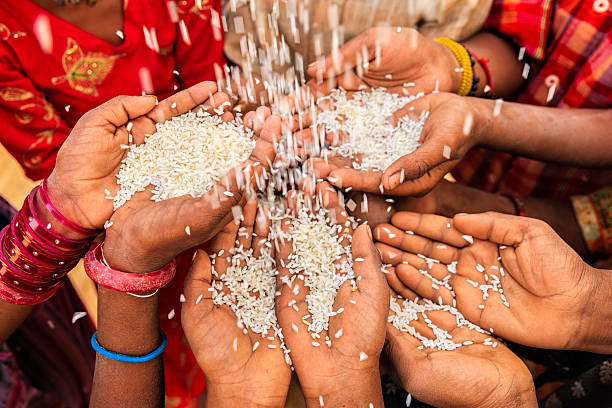
Food is not necessarily available to a large number of people, especially in rural regions that are isolated. Non-availability of food in markets, difficult access to markets due to lack of transportation, and insufficient financial resources are all factors contributing to the food insecurity of the most vulnerable populations. People are increasingly dependent on international markets for all or part of their food supply, particularly between harvest periods. Many people are increasingly vulnerable due to fluctuations in prices, as has been continuously illustrated during the global food crisis.
CAUSE 3: CONFLICTS
Conflicts have a direct impact on food security, drastically compromising access to food. Often forced to flee as violence escalates, people uprooted by conflict lose access to their farms and businesses, or other means of local food production and markets. Abandoned fields and farms no longer provide food to broader distribution circuits. As a result, food supplies to distributors may be cut off, and the many populations dependent on them may be unable to obtain sufficient food. The ongoing invasion of Ukraine has also led to global food prices skyrocketing.

CAUSE 4: CLIMATE CHANGE
In 30 years, the number of natural disasters — droughts, cyclones, floods, etc. — linked to climate change has increased substantially. The effects of climate change are often dramatic, devastating areas that are already vulnerable. Infrastructure is damaged or destroyed; diseases spread quickly; people can no longer grow crops or raise livestock.
According to UN studies in over 40 developing countries, the decline in agricultural production caused either directly or indirectly by climate change could dramatically increase the number of people suffering from hunger in the coming years.
It is clear there is a lot of work to be done, but here are some possible solutions you can do to make an impact in the fight against the global child nutrition crisis:
Fund Efforts to Prevent Hunger and Famine
There are a number of organizations working to stop the spread of hunger and food scarcity across the globe. The World Food Programme (WPF) has a project to save 50 million people in 45 countries from famine, the Power of Nutrition is working to help feed children in sub-Saharan Africa, and Action Against Hunger is another organization working to stop the spread of the global nutrition crisis. Making a donation to one of these bodies will help their efforts, and may even save a child’s life.
Patronise Local Farmers Where Possible
Many small farms in rural communities are part of the backbones of their community, providing the farmers with income and food, but rising costs mean that buying materials such as seeds, fertilizers, and equipment is much more difficult, leading some of them to go out of business. By purchasing their farm produce and investing in their businesses, you can help these farmers continue to ease the strain on food production in your region.
Stop Food Waste
An estimated 40% of food produced worldwide is wasted. In other words, more than enough food is produced to eliminate global hunger, yet pricing incentives and inefficient market practices render huge amounts of that food inaccessible to the communities that need it the most. In developing countries, poor storage and transport systems also lead to food rotting or going to waste.
Ending this injustice requires better distribution methods, universal access to refrigeration technology, and fairer pricing mechanisms so that all people can afford food. Instead of leaving an estimated 1.4 billion tons of food to rot in landfills annually, countries can make sure that food serves its intended purpose: nourishing people.
Make Healthy Food Affordable
Nearly half of the global population is unable to afford a nutritious diet, which means they often have to settle for highly processed and nutrient-deficient foods. Undernutrition is an important issue that needs to be resolved.
Leading food researchers argue that this affordability gap can be closed by instituting higher wages for work, providing government safety nets to support food purchases, directly lowering the cost of healthy foods through subsidies, and investing in the production of healthy food.
Conclusion
The current global food crisis is dire. But there is still hope: your effort and contributions can go a long way towards saving the lives of millions of children who suffer from malnutrition and hunger.


