

Every year on July 28, the World Health Organization commemorates World Hepatitis Day. According to the WHO, it is “An opportunity to step up national and international efforts on hepatitis, encourage actions and engagement by individuals, partners and the public and highlight the need for a greater global response as outlined in the WHO’s Global hepatitis report of 2017.” The date of 28 July was chosen because it is the birthday of Nobel-prize winning scientist Dr Baruch Blumberg, who discovered hepatitis B virus (HBV) and developed a diagnostic test and vaccine for the virus. This article delves into the significance of World Hepatitis Day, the burden of hepatitis, prevention and treatment strategies, and the efforts being made to combat this global health threat. Before we go any further, let’s take a look at what Hepatitis is.
What is Hepatitis?
Simply put, Hepatitis is an inflammation of the liver. Going into further detail, it is usually a viral infection, but it can also be caused by alcohol consumption, several health conditions, or even some medications. There is also autoimmune hepatitis, where the body makes antibodies against your liver tissue. There are 5 types of viral hepatitis, from A through E, and a different virus causes each type. These viruses can lead to acute or chronic liver infections, which can result in severe health complications, including liver cirrhosis, liver cancer, and even death.
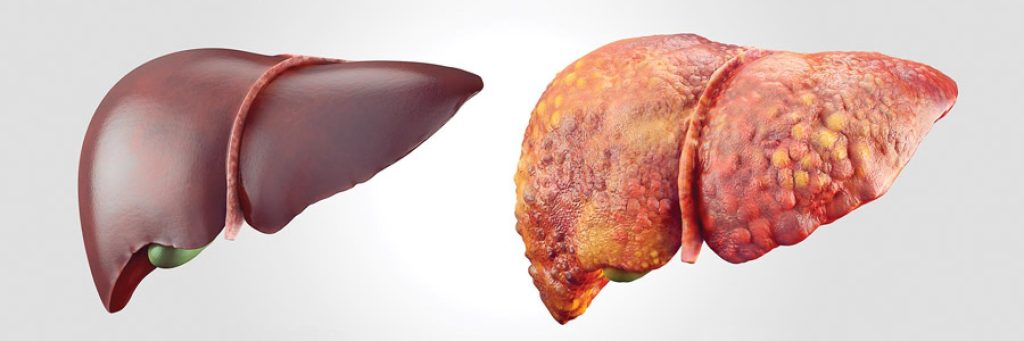
If you are living with a chronic form of hepatitis, like hepatitis B and C, you may not show symptoms until the damage affects liver function. By contrast, people with acute hepatitis may present with symptoms shortly after contracting a hepatitis virus. Despite being preventable and treatable, viral hepatitis remains a significant public health challenge worldwide.
What Causes Hepatitis?
| Type of hepatitis | Common route of transmission |
|---|---|
| hepatitis A | exposure to HAV in food or water |
| hepatitis B | contact with HBV in body fluids, such as blood, vaginal secretions, or semen |
| hepatitis C | contact with HCV in body fluids, such as blood, vaginal secretions, or semen |
| hepatitis D | contact with blood containing HDV |
| hepatitis E | exposure to HEV in food or water |
How do you diagnose Hepatitis?
It is crucial to understand what is causing hepatitis in order to treat it correctly. Doctors will progress through a series of tests to accurately diagnose your condition. To diagnose all forms of hepatitis, your doctor will first take your history to determine any risk factors you may have. During a physical examination, your doctor may press down gently on your abdomen to see if there’s pain or tenderness. Your doctor may also check for any swelling of the liver and any yellow discoloration in your eyes or skin. You may also have to do a liver function test, or a blood test.
Now we know what Hepatitis is, let’s take a look at World Hepatitis Day.
The Significance of World Hepatitis Day
Established by the World Health Organization (WHO) in 2010, World Hepatitis Day aims to unite individuals, communities, and organizations in their efforts to eliminate viral hepatitis as a public health concern. The day serves as a platform to promote awareness, encourage testing and vaccination, and advocate for access to treatment and care for those affected by hepatitis. By shedding light on this often-overlooked health issue, World Hepatitis Day seeks to mobilize governments, healthcare professionals, and the public to take concerted action against this global burden.
The Burden of Hepatitis
Viral hepatitis affects millions of people worldwide and poses a significant economic and health burden on societies. The World Health Organization (WHO) estimates that 354 million people currently live with chronic hepatitis B and C across the globe. Tragically, the majority of these individuals are unaware of their infection status, leading to silent transmission and delayed diagnosis.
Hepatitis A and E usually spread through contaminated food and water, causing acute infections. Hepatitis B, C, and D on the other hand, are transmitted through blood or other bodily fluids, often leading to chronic infections. These chronic infections can silently damage the liver over several years before manifesting symptoms, resulting in severe complications such as liver cirrhosis and hepatocellular carcinoma (liver cancer).
Low and middle-income countries are disproportionately affected by hepatitis due to limited access to healthcare, screening, and treatment resources. Marginalized populations, including injecting drug users, prisoners, and migrants, also face higher risks of hepatitis transmission due to social stigma and lack of healthcare access.
How to prevent and control the spread of Hepatitis
Preventing hepatitis infections is crucial in reducing the global burden of the disease. Some of the best ways to do this include:
- Vaccination: Safe and effective vaccines are available for hepatitis A and B. Universal vaccination programs for hepatitis B in infants and at-risk populations have shown significant success in reducing new infections.
- Safe Injection Practices: Ensuring the use of sterile, single-use needles and syringes is essential in preventing the transmission of hepatitis B and C, especially in healthcare settings.
- Blood Safety: Screening and testing donated blood for hepatitis B and C are vital to prevent transmission through blood transfusions.
- Prevention of Mother-to-Child Transmission: Providing antiviral treatment to pregnant women with hepatitis B can significantly reduce the risk of transmission to their newborns.
- Improved Sanitation and Hygiene: Better sanitation and access to clean water can help prevent hepatitis A and E infections.
- Harm Reduction Programs: Implementing harm reduction strategies, such as needle exchange programs and opioid substitution therapy, can help reduce transmission among injecting drug users.
- Education and Awareness: Public awareness campaigns can dispel myths, reduce stigma, and encourage testing and vaccination.
Efforts to Eliminate Hepatitis
Recognizing the importance of addressing viral hepatitis, in 2016, the WHO launched the Global Health Sector Strategy on Viral Hepatitis, with the aim of eliminating hepatitis as a public health threat by 2030. The strategy outlines key targets, including a 90% reduction in new hepatitis infections and a 65% reduction in hepatitis-related mortality by 2030.
Conclusion
World Hepatitis Day serves as a powerful reminder of the need to prioritize efforts to combat viral hepatitis and its devastating consequences. It is a call to action for individuals, governments, and organizations to unite in their fight against this silent epidemic. By raising awareness, promoting prevention strategies, expanding access to testing and treatment, and addressing social and economic barriers, we can move closer to the goal of eliminating viral hepatitis as a public health concern. If you enjoyed the article, make sure to subscribe for more articles, and leave a comment below. Have a great week ahead!
Regards,
Ogorchukwu.


