

Ramadan Kareem! We wish all the Muslim faithful a fulfilling and rewarding month of fasting. This week we will be looking at some tips for fasting during the Ramadan month, but first, let us look at what Ramadan is about.
Ramadan is the ninth month of the Islamic lunar calendar, during which Muslims around the world observe a month-long period of fasting, prayer, and reflection. It is considered to be one of the holiest months in the Islamic calendar and is observed by millions of Muslims worldwide.
The act of fasting during Ramadan is one of the Five Pillars of Islam, which are the basic acts of worship that all Muslims are required to observe. During this month, Muslims abstain from eating and drinking from dawn until dusk each day. Fasting is considered a means of purification for the soul and a way to demonstrate solidarity with those who are less fortunate. Muslims also increase their acts of worship during Ramadan, such as performing additional prayers and reading the Quran. Many Muslims also participate in charitable acts, such as giving to those in need or volunteering their time to help others.

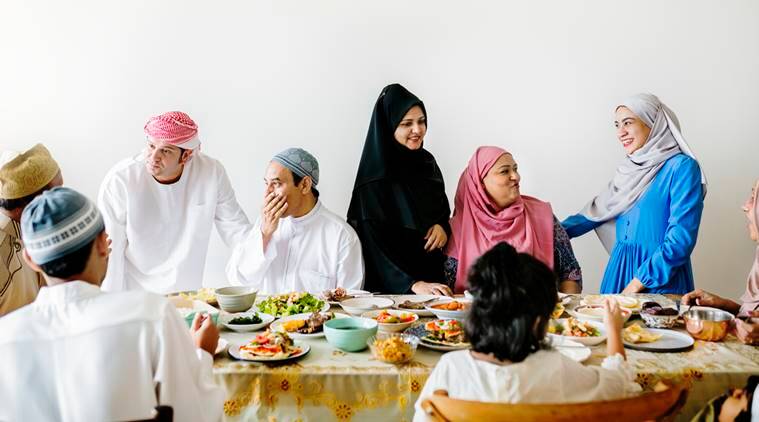
Ramadan is also a time for family and community gatherings, with families coming together to break their fast each evening in a meal known as iftar. Mosques also play an important role during this time, hosting nightly prayers and communal meals for those who may not have family or friends to share the Iftar meal with. The end of Ramadan is marked by a three-day celebration called Eid al-Fitr, during which Muslims gather with family and friends to exchange gifts and enjoy feasts. It is a time of joy and celebration, marking the end of a month of intense spiritual reflection and devotion.
Are you looking for some advice on how to go about fasting successfully during Ramadan? Look no further, we’ve got you covered! Here are a few tips to make fasting this month much healthier:
Hydrate before breaking your fast: Before you break your fast, make sure to drink plenty of fluids to prevent dehydration. Water is the best choice for hydration, but juice and milk work too.
Break your fast with dates: According to tradition, dates are eaten at the start of the iftar meal. They are a natural sugar source, helping to balance low blood sugar and fuel the body with much-needed energy. Consuming dates prior to your meal can help combat headaches caused by low blood sugar and raise your blood sugar to an optimal level.
Eat your greens: Vegetables are packed full of vitamins, minerals, and fiber. Two servings of vegetables during each meal is a good guideline. Try to incorporate half a cup of raw or cooked vegetables, or one cup of leafy raw vegetables, into your meals.
Choose healthy carbs: The iftar meal should contain healthy, complex carbohydrates. Some good choices may include brown rice, whole grain bread, and potatoes. In addition to being a great source of energy, complex carbs are an excellent source of fiber and minerals.
Eat lean protein: During Iftar, consuming healthy lean proteins is very important. Healthy proteins such as beef, milk, yogurt, eggs, cheese, fish, and poultry contain a variety of amino acids and are critical to maintaining and producing muscle mass. For vegetarian options, try legumes, beans, and nuts.
Stay hydrated: It is important to drink plenty of water during Ramadan to stay hydrated. Try to drink at least 8 glasses of water a day and avoid sugary drinks, as they can dehydrate you. Drinking juice or milk is also a suitable alternative.
Take naps: Fasting can cause fatigue and drowsiness, especially during the first few days of Ramadan. Take short naps during the day to help you feel more alert and energized.
Pace yourself: It is important to pace yourself during Ramadan, especially when it comes to eating and drinking. Avoid overeating during Iftar (the meal eaten to break the fast), as this can cause indigestion and discomfort. Similarly, avoid drinking too much water or other fluids at once, as this can lead to bloating and discomfort.
Avoid strenuous exercise: It is important to avoid strenuous exercise during Ramadan, as it can be dangerous to do so while fasting. Instead, focus on low-impact activities, such as walking, yoga, or stretching to take care of your physical demands.
In conclusion, fasting during Ramadan can be a challenging but rewarding experience. However, it is important to remember that by following some very simple steps, you can fast without worrying about any health implications that might come as a result of fasting. Once again I would like to wish all those taking part in Ramadan a successful journey, and to thank you, dear reader, for taking time to read this article.
Ramadan Kareem❤️.


